Why Nature-Based Solutions Remain Peripheral in Indian Cities — And What We're Getting Wrong
By Dr Fawzia Tarannum

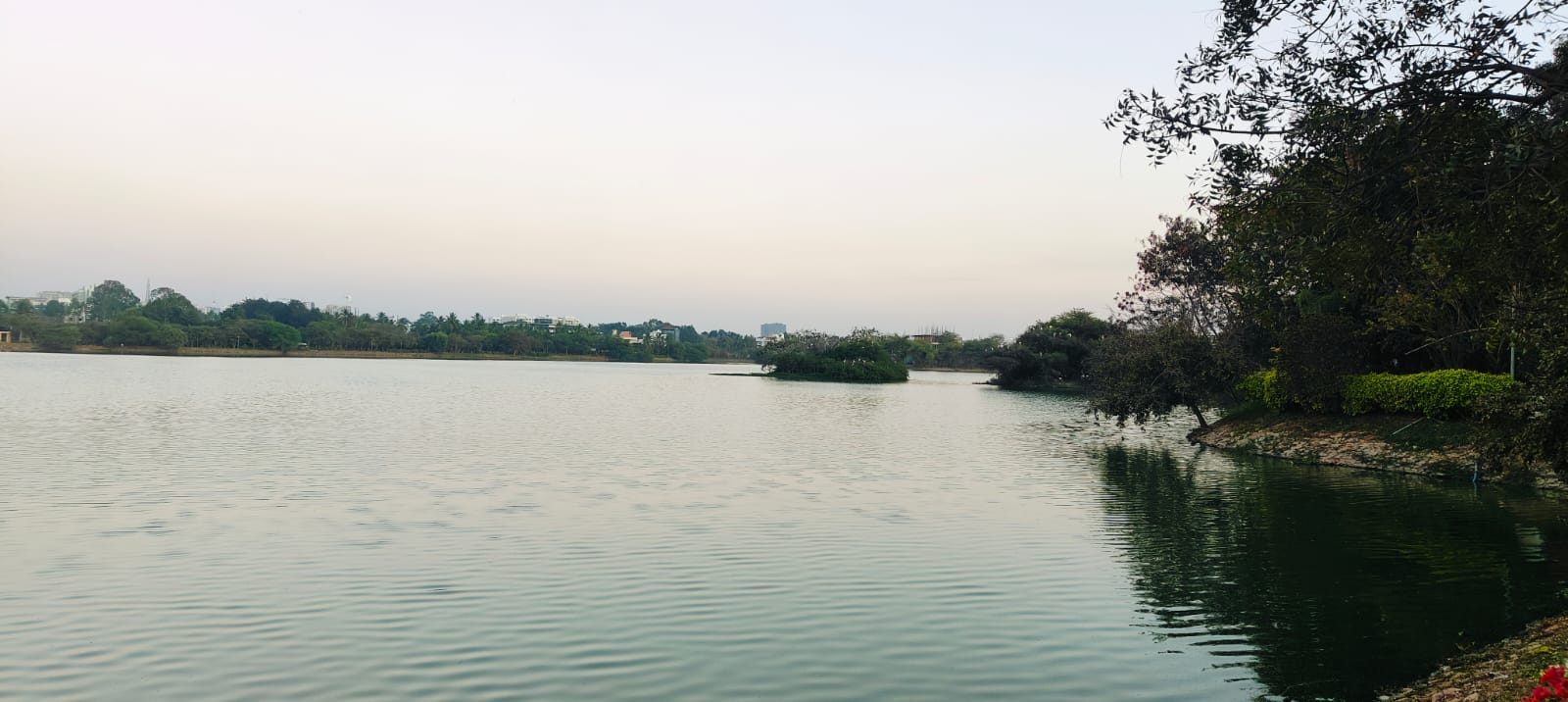
Here’s a strange little fact about Bengaluru: the city’s lakes are quietly doing some of the hardest work in urban water management — and almost nobody planned it that way.
Despite decades of sewage inflow, encroachment, and fragmented oversight, many of these lakes still recharge groundwater, buffer floods, host biodiversity, and even treat wastewater informally. They do this not because a department engineered them to, but because that is simply what functioning wetland ecosystems do. Not by design. By accident.
That paradox — nature working despite us, not because of us — sat at the centre of a cross-sectoral conversation hosted by GuruJal and FluxGen on 14 May 2026 at DropTalk 3.0 in Bengaluru. Researchers, practitioners, funders, and civic actors gathered around one deceptively simple question:
If Nature-Based Solutions work, why are they still not embedded in city policy, budgets, procurement systems, and governance?
The uncomfortable answer: it isn’t the idea that’s weak. It’s the ecosystem around it.
The proof of concept already exists
Across Indian cities, restored lakes, decentralised wetlands, urban forests, rain gardens, bioswales, constructed wetlands, and blue-green corridors have already shown what they can do — flood mitigation, groundwater recharge, urban cooling, cleaner water, richer biodiversity, better public spaces. This isn’t speculative. A 2025 meta-analysis in Nature Cities, pooling 373 peer-reviewed studies across every major climate zone on Earth, found that nature-based interventions cool cities by an average of 2 °C during hot periods — and neighbourhood-scale green infrastructure alone can push that past 2.2 °C. Ground-level greenery routinely shaves 2–9 °C off peak surface temperatures; green roofs and walls can cut nearly 17 °C.
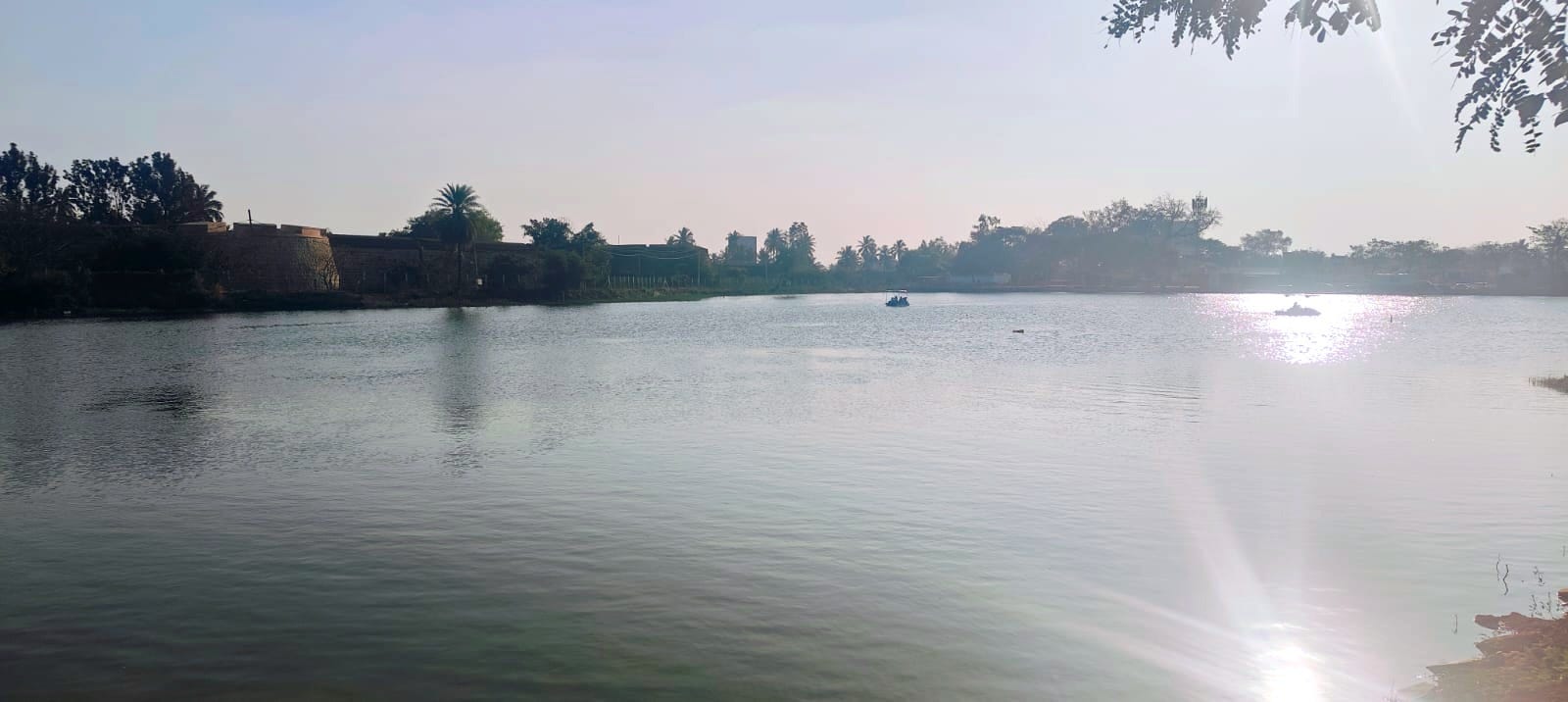
In Bengaluru’s own case, the stakes are stark. The city that colonial-era records show had over 1,400 interconnected lakes in the early 1800s is down to a few hundred functioning water bodies today — some estimates put the true number as low as 80 — and their combined stormwater storage capacity has collapsed from roughly 2,700 million litres a day to under 400. Meanwhile the city draws over 1,300 million litres of groundwater a day but recharges barely 150. The infrastructure that used to do this job for free is disappearing exactly when the city needs it most.
So the proof of concept is not in question. What’s missing is a mature system for taking these solutions from scattered pilots to mainstream urban infrastructure — the unglamorous plumbing of policy, budgets, and procurement that lets a good idea actually scale.
Concrete had a hundred-year head start
Grey infrastructure — drains, roads, sewage treatment plants — has had more than a century to build its supporting ecosystem: engineering manuals, standard designs, schedules of rates, procurement norms, contractor networks, departmental mandates, budget lines, political visibility. Nature-Based Solutions (NbS) have had almost none of that runway. Too often they’re still filed under “landscaping,” “beautification,” or a CSR-funded pilot rather than treated as infrastructure delivering measurable public services.

This is the central problem. Cities keep investing in concrete not necessarily because concrete performs better, but because concrete is easier to approve, tender, measure, budget for, and show off at a ribbon-cutting.
Four structural cracks in the system
The DropTalk discussion surfaced four recurring barriers:
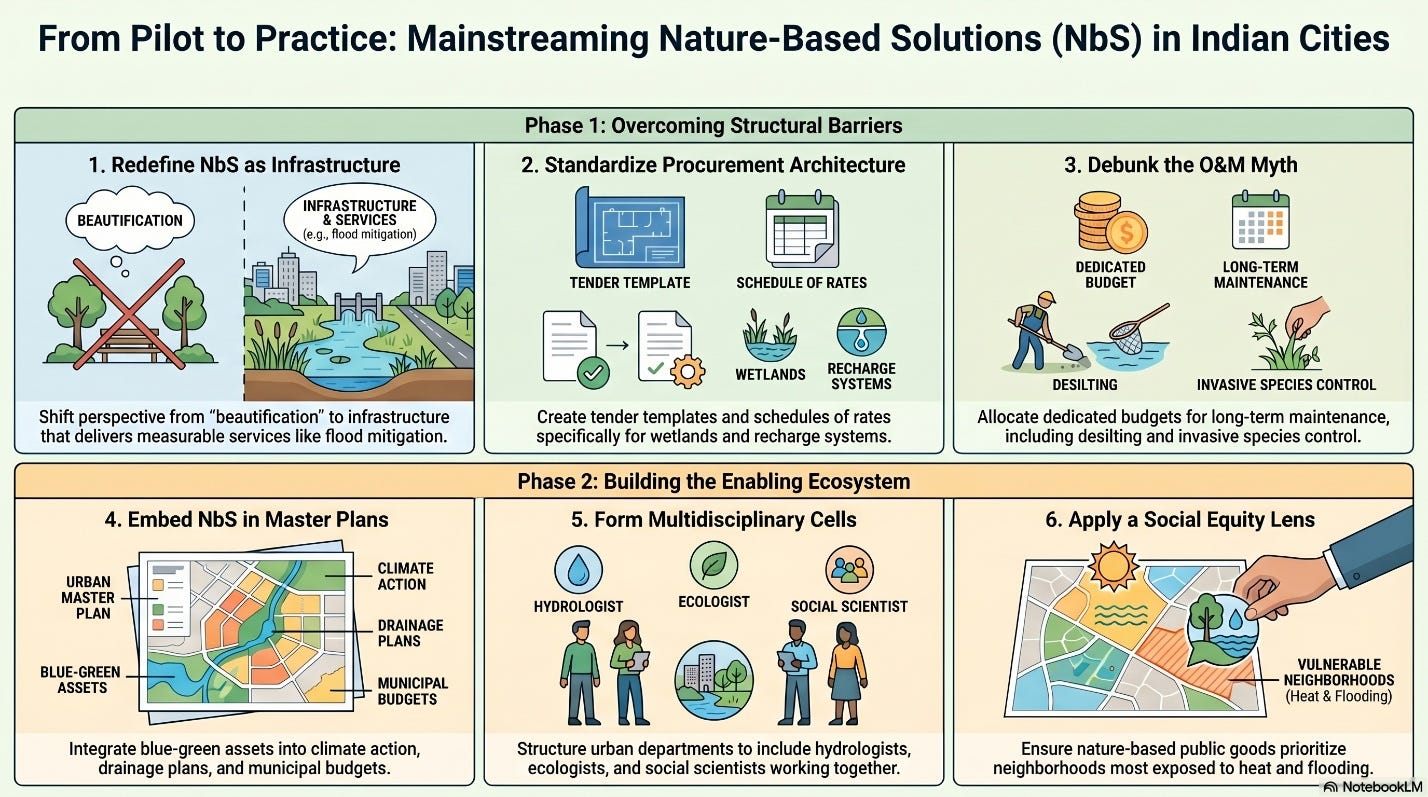
1. Conceptual ambiguity. NbS is frequently mistaken for landscaping or lake beautification rather than understood as infrastructure that delivers quantifiable urban services — stormwater capacity, water purification, temperature regulation.
2. No procurement architecture. Cities know exactly how to tender a drain, a road, or a treatment plant. Very few know how to tender a wetland, a bioswale, a restored lake edge, or a recharge system — so the pipeline stalls before it starts.
3. A capacity gap. Doing NbS properly means hydrologists, ecologists, landscape architects, planners, engineers, biodiversity experts, social scientists, and community facilitators all working in the same room. Most urban departments simply aren’t built for that kind of cross-disciplinary coordination.
4. The O&M myth. Perhaps the most dangerous assumption of all: that green systems maintain themselves. They don’t. Wetlands silt up and need desilting. Restored lakes need ongoing monitoring. Constructed wetlands need active plant management. Invasive species creep in and must be controlled. Water quality has to be tracked continuously, and community engagement has to be sustained, not just launched. These systems need the same long-term institutional ownership and dedicated budgets that keep sewage treatment plants and water networks running — nothing about them is “set and forget.”
When pilots never grow up
CSR and philanthropic capital have funded genuinely valuable pilots — experimentation, innovation, community engagement, proof points that wouldn’t otherwise exist. But there’s a trap here: if successful pilots stay permanently dependent on CSR or NGO stewardship, public agencies start treating NbS as someone else’s job. CSR capital should be the spark that gets a system going, not a permanent life-support machine standing in for actual governance.
There’s also a deeper mismatch worth naming: cities are governed through wards, zones, departments, and jurisdiction lines drawn on a map. But water doesn’t recognise administrative boundaries — it moves through watersheds, aquifers, drains, wetlands, floodplains, and soil systems that cut straight across them. Fragmented governance, unsurprisingly, produces fragmented decisions.
The way forward: build the boring parts
If NbS is going to graduate from pilot to permanent, it needs to be reframed as hybrid urban infrastructure — embedded directly into master plans, climate action plans, drainage plans, lake management plans, and municipal budgets, not bolted on afterward. That means:
Urban local bodies with dedicated multidisciplinary cells
Procurement systems with standard specifications, tender templates, schedules of rates, monitoring indicators, and O&M requirements
Legal protection for blue-green assets, so a wetland can’t quietly become a “vacant plot” on someone’s land-use map
And crucially, NbS has to be approached through a social equity lens. Restored lakes, shaded streets, clean drains, recharge zones, and accessible green space cannot be premium amenities reserved for wealthier neighbourhoods. They are public goods — and they matter most for the communities most exposed to flooding, heat, pollution, and water insecurity, who typically have the least green cover and the fewest resources to adapt.
The bottom line
Nature-Based Solutions are not failing Indian cities. Indian cities are failing to govern Nature-Based Solutions. NbS isn’t a supplement to the city, added on when budgets allow — it is the city’s original infrastructure, the system that was quietly doing this work long before concrete arrived. It’s time to plan, finance, and govern it that way.
This post draws from the DropTalk session held on 14 May 2026, hosted by GuruJal & FluxGen, and moderated by Dr Fawzia Tarannum. Panel: Vishwanath S, Dr Veena Srinivasan, Sahana Goswami, Nakul Mohan Heble, and Dr Mamta Mehra.
Sources for the figures cited above: Wei et al., “Urban cooling and energy-saving effects of nature-based solutions across types and scales,” Nature Cities (2025); Bengaluru lake and groundwater data via Well Labs’ Urban Water Balance Report, IISc Centre for Ecological Sciences, and SANDRP (2024–25).